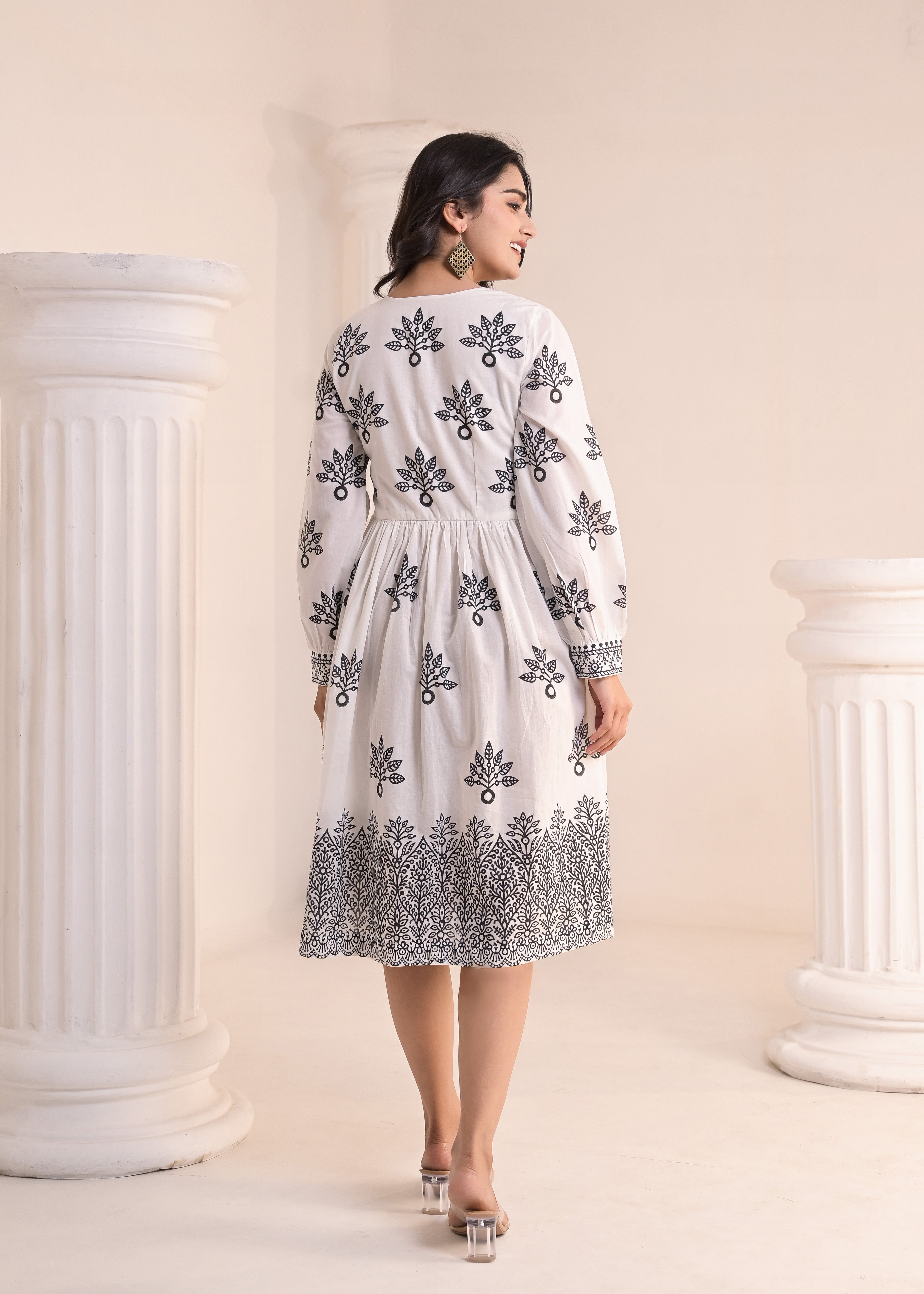
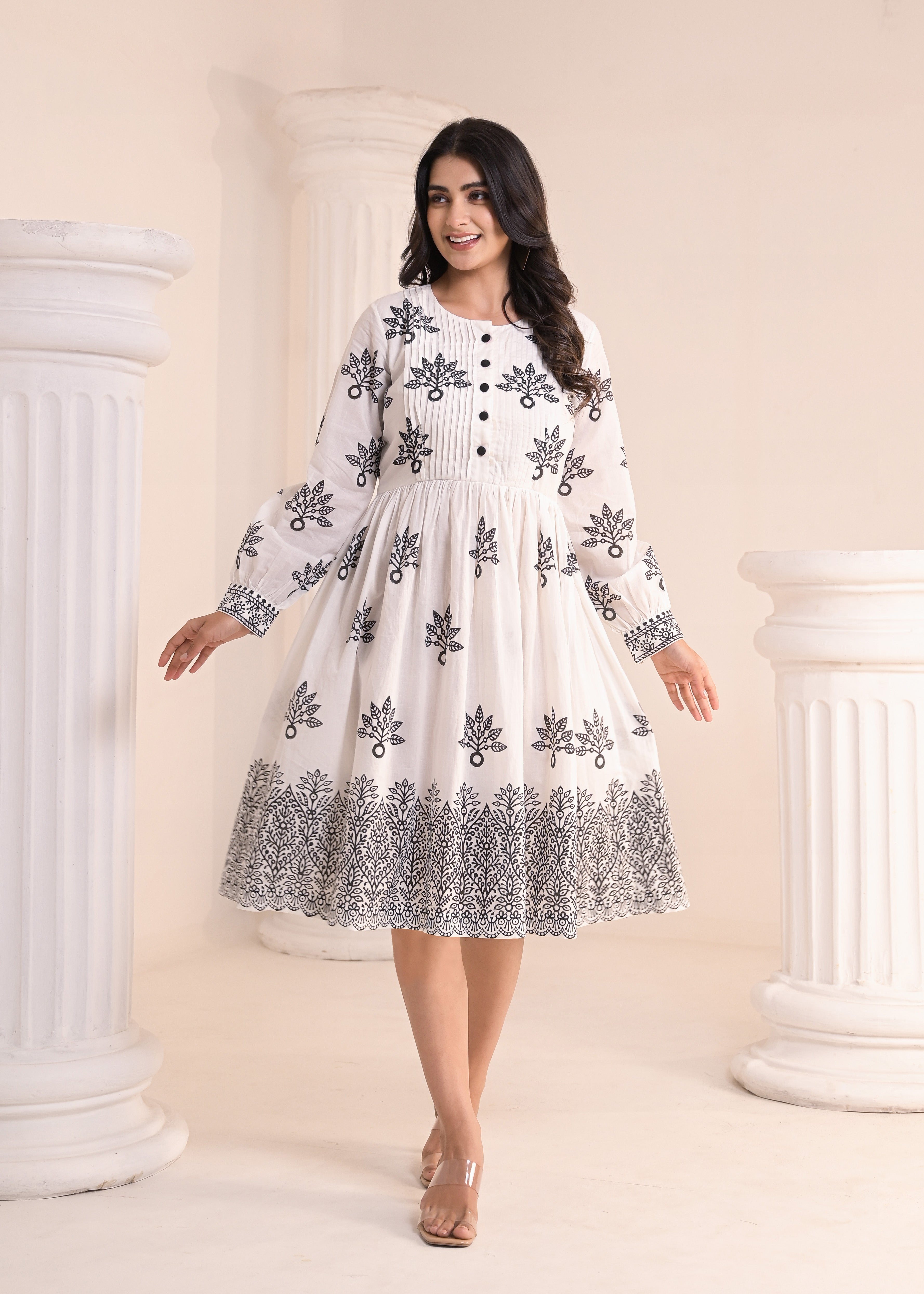
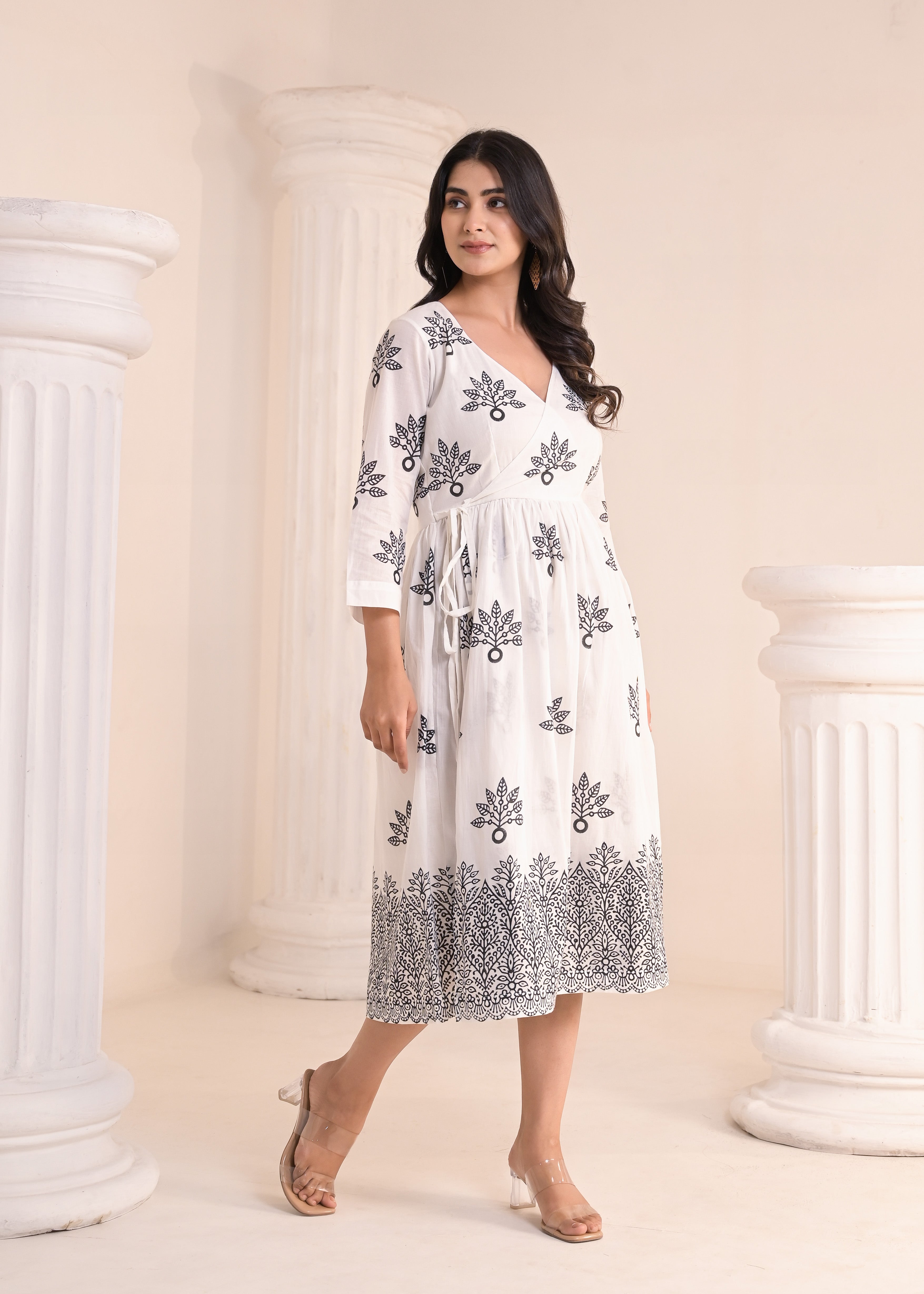
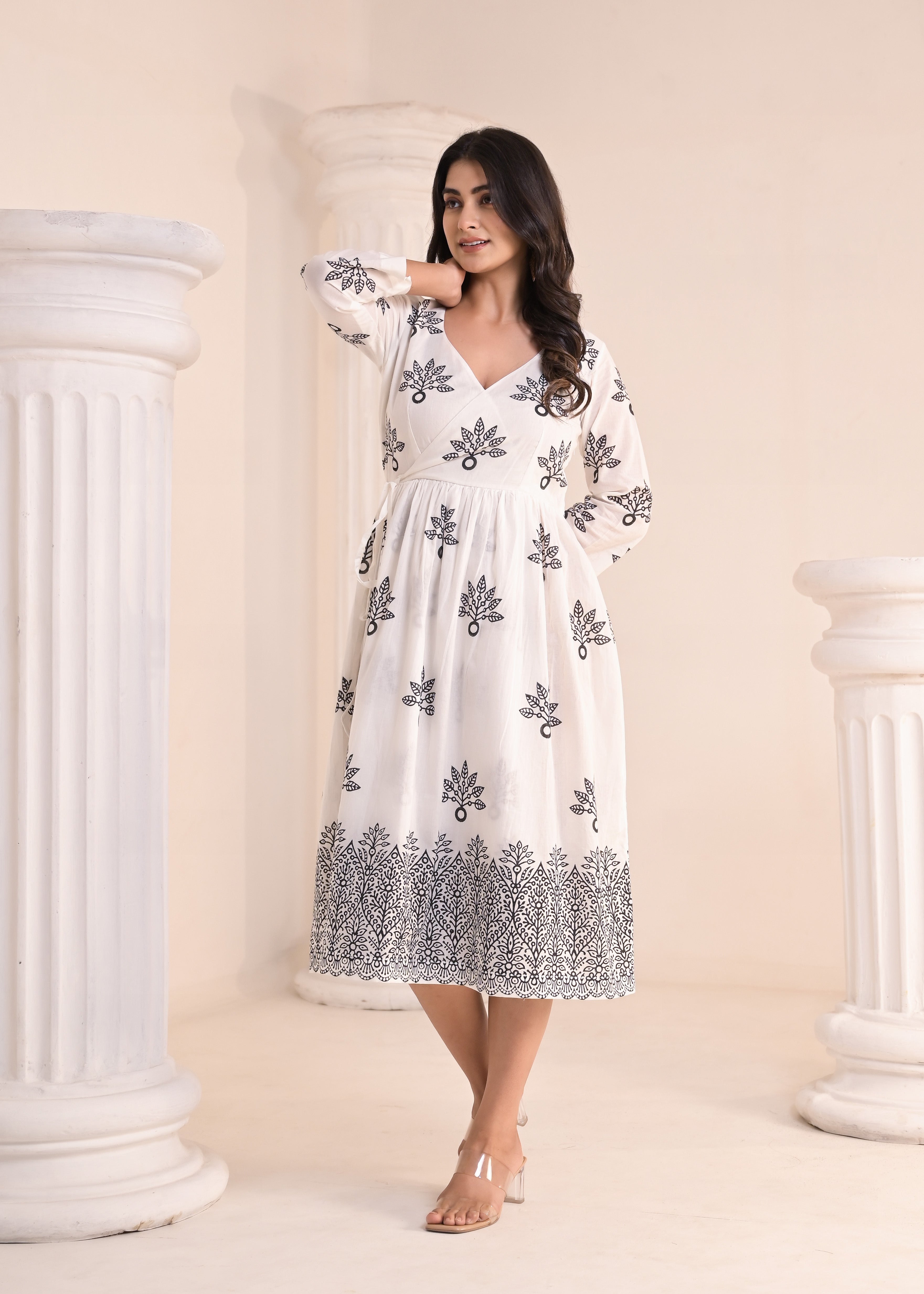
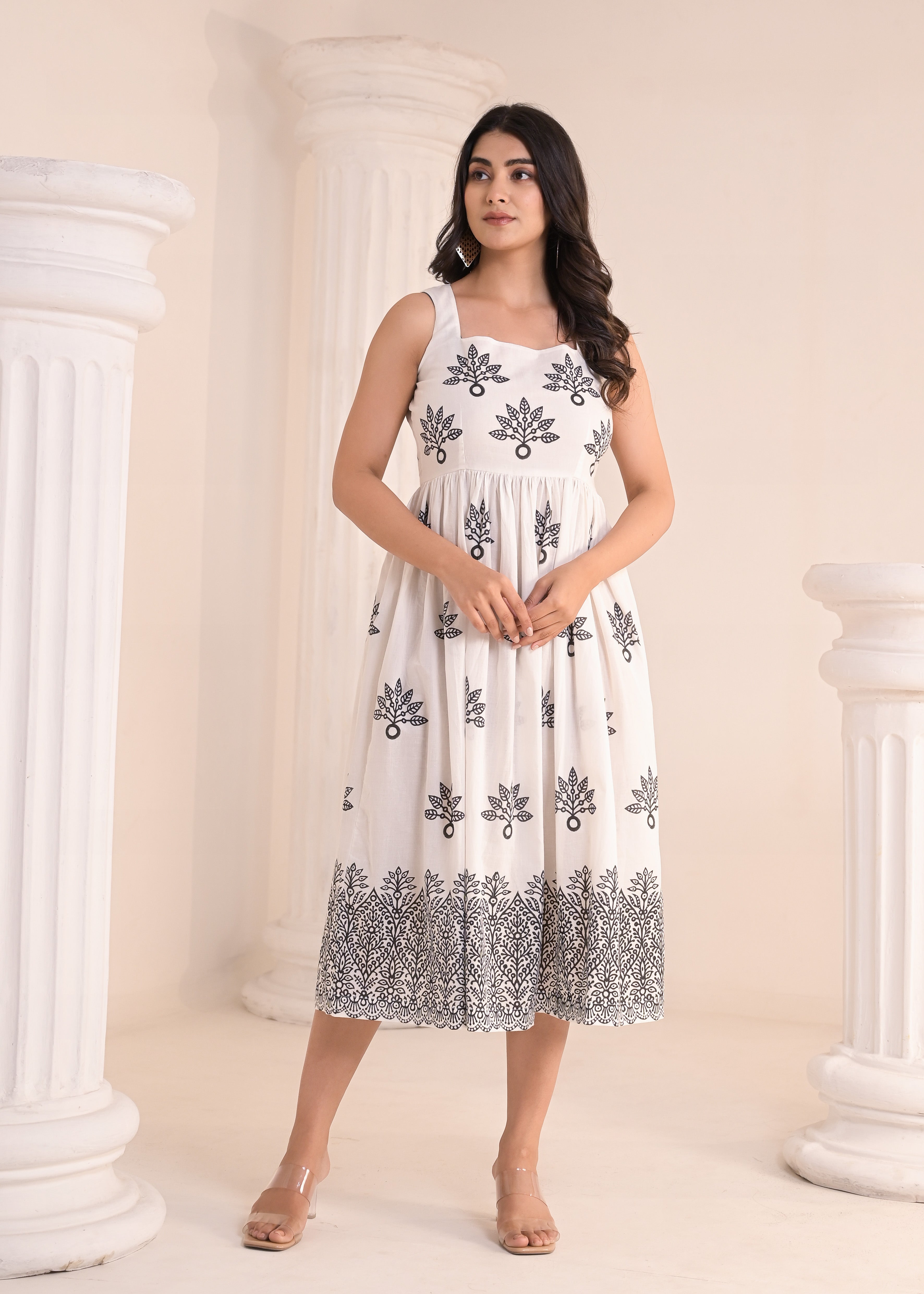
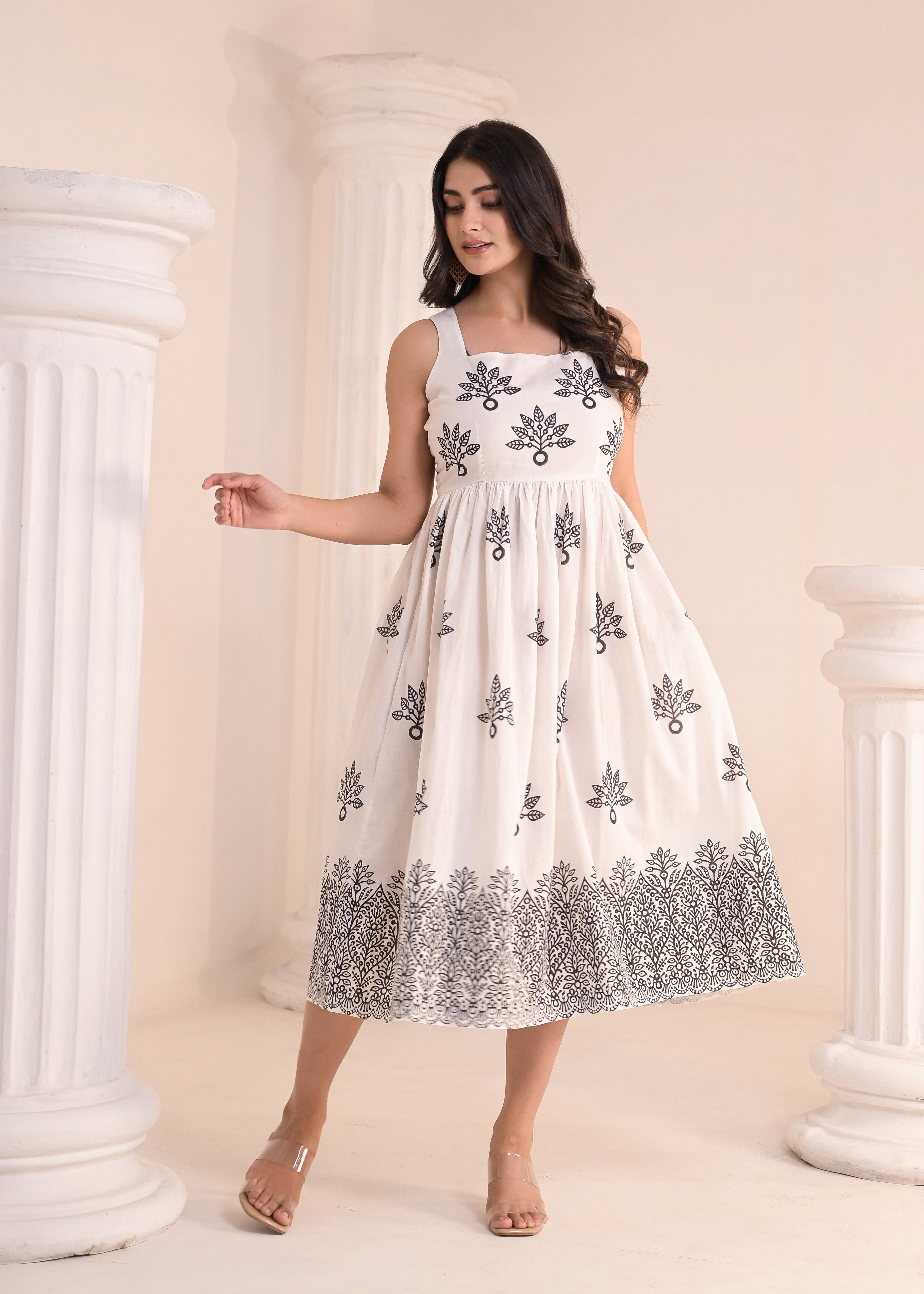
Long before "sustainable fashion" became a buzzword, the artisans of Bagru, a small town near Jaipur, were already perfecting a printing technique that used nothing but hand-carved wooden blocks and dyes drawn from the earth. This centuries-old craft is the heartbeat of every Qala Jaipur garment, and it deserves a closer look.
The Origins of a Living Craft
Bagru takes its name from the very village where this printing tradition has been practiced for generations, passed down within families of chippas, or block printers. Long before synthetic dyes existed, artisans here worked with indigo, turmeric, madder root, and iron rust to create colours that age gracefully rather than fade harshly. Every motif is carved by hand into a teak or sheesham wood block, a process that can take days for a single intricate design.
How the Printing Process Works
The fabric is first washed and treated to help it accept dye evenly. The block is dipped in colour and pressed firmly onto the cloth by hand, one impression at a time, with the artisan's eye aligning each repeat of the pattern purely by skill and memory. A single dupatta or dress length can require thousands of individual block strikes. Once printed, the fabric is sun-dried and, in many cases, washed again to set the natural pigments. No two lengths of fabric are ever entirely identical, which is exactly the point: the tiny irregularities are proof of the human hand behind the cloth.
Why It Matters for What You Wear
When you choose a Bagru block print piece, you are supporting an entire ecosystem of artisan families, natural dyeing practices that use far less water and fewer chemicals than industrial printing, and a slower, more intentional way of making clothes. At Qala Jaipur, every co-ord set, dress, and wrap is cut and stitched only after it is ordered, so the fabric your artisan hand-printed becomes a garment made specifically for you, not a mass-produced copy sitting in a warehouse.
The next time you run your fingers over the subtle texture of a block-printed hem, remember that you're touching a tradition that has survived centuries not because it was mass-marketed, but because it was worth preserving.